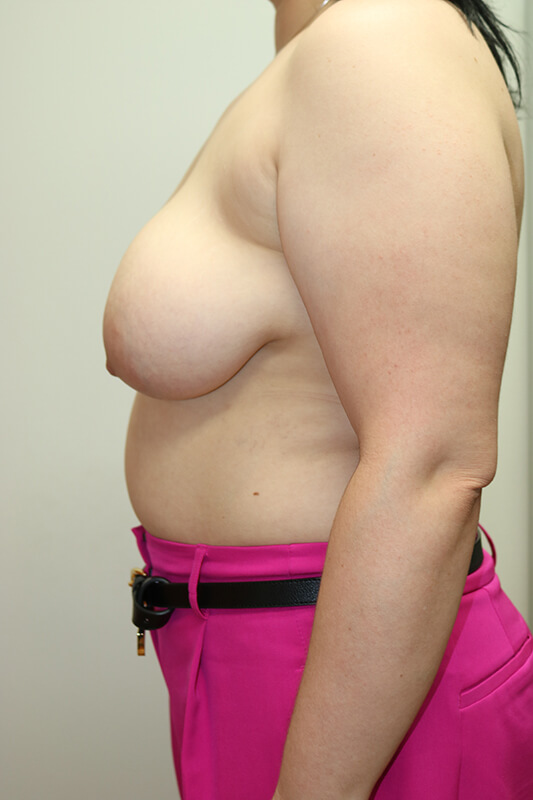
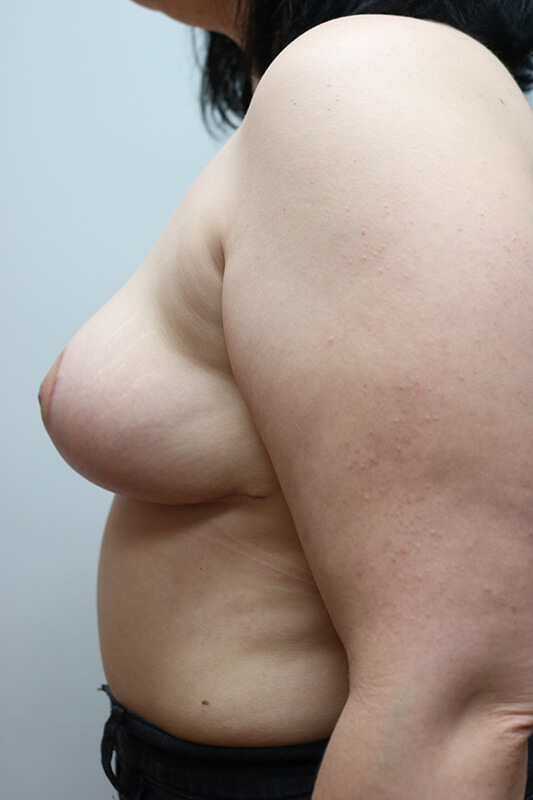
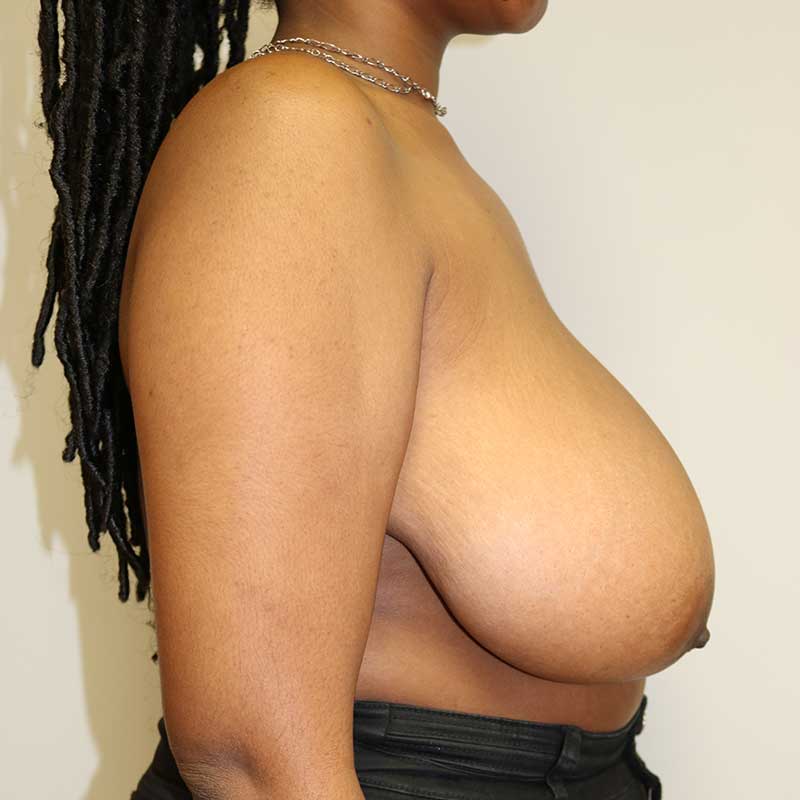
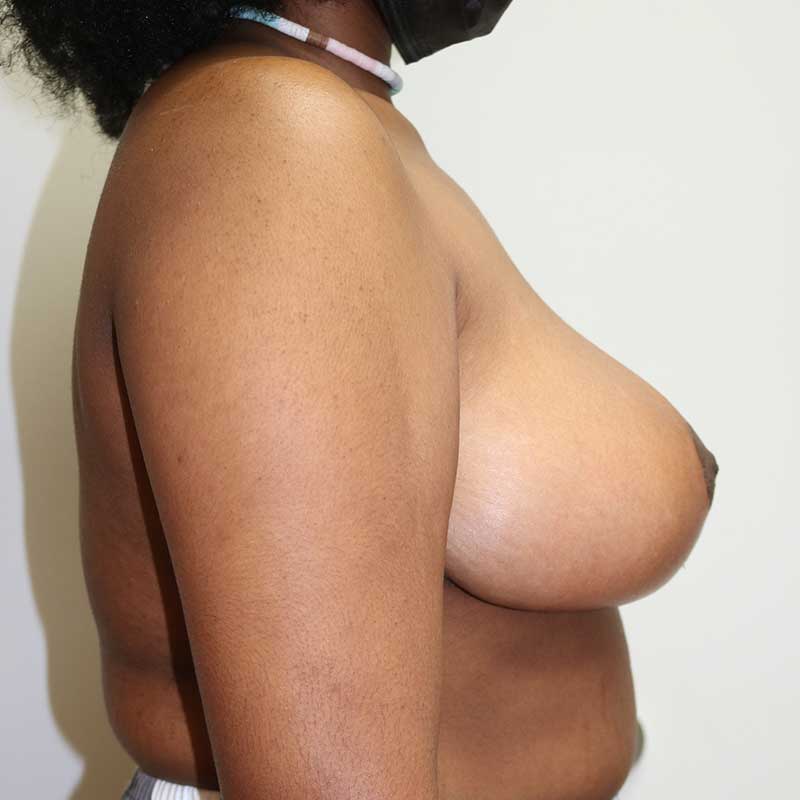
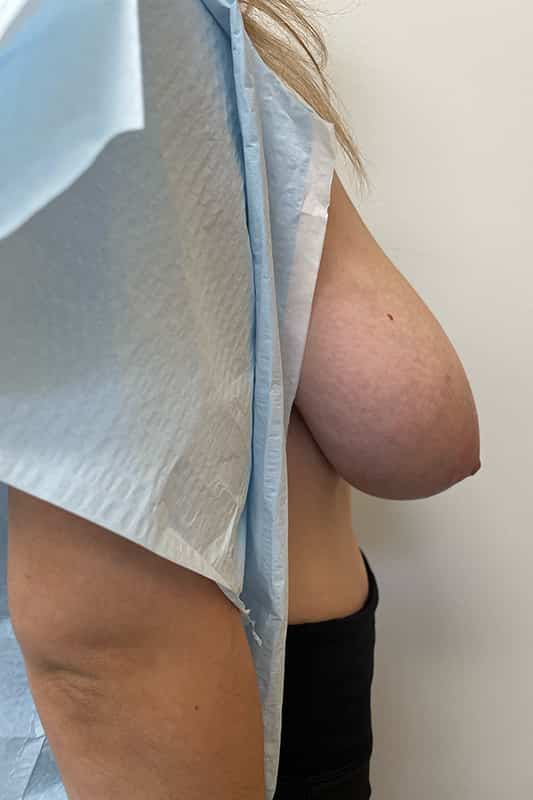
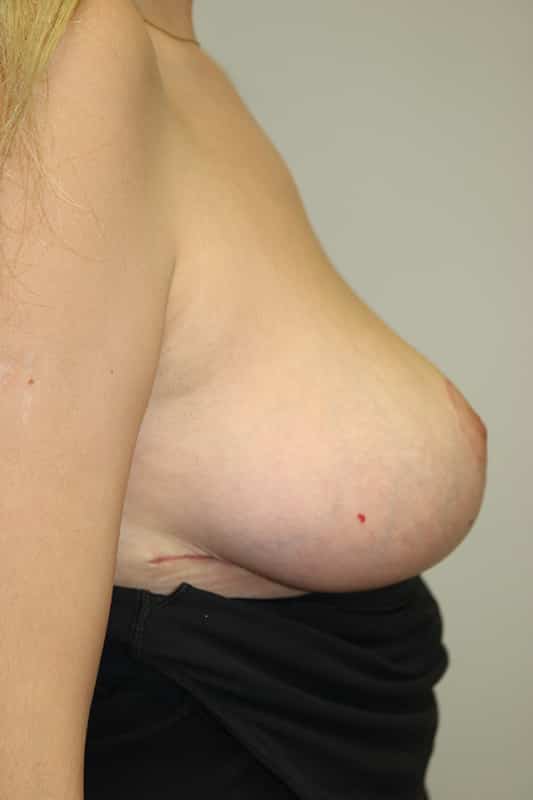
have a more active, confident lifestyle
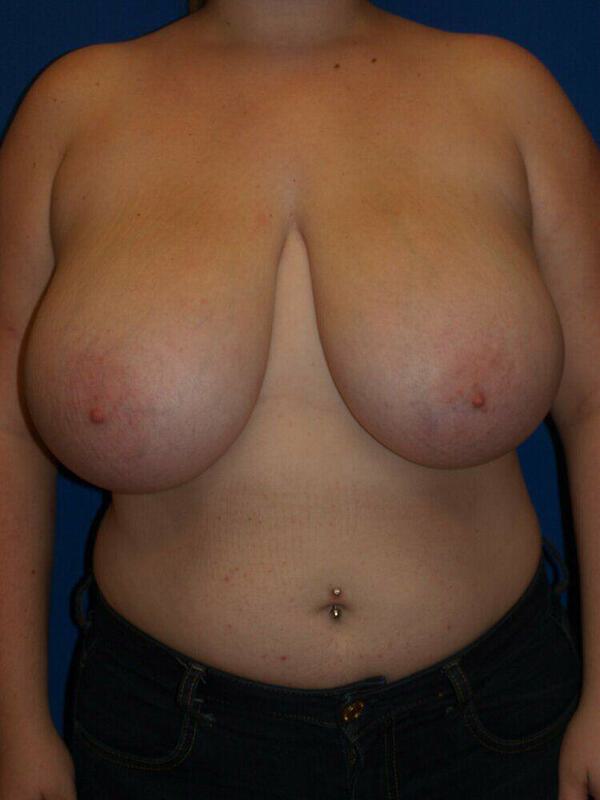
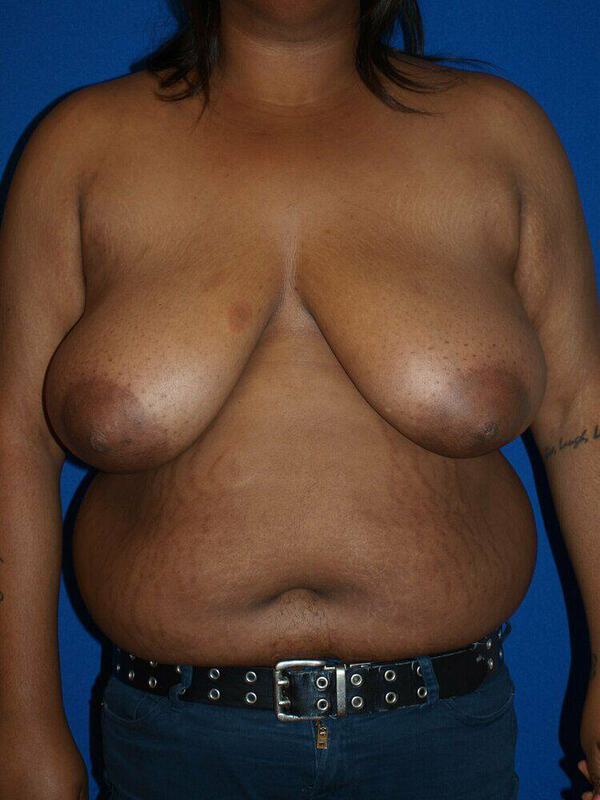
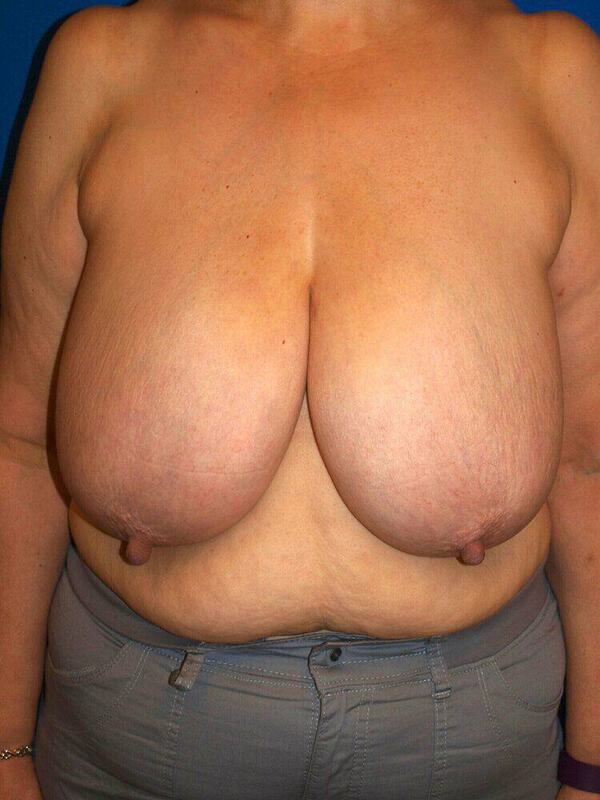
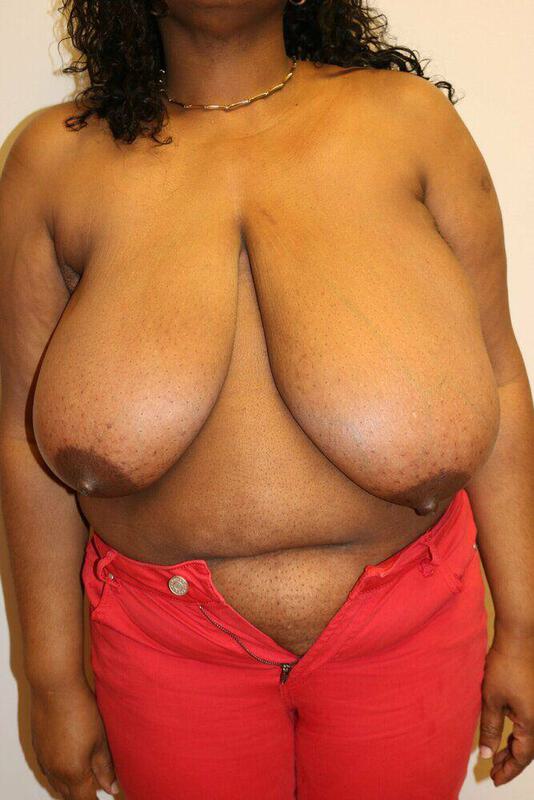
Some women have large, excessively heavy breasts that lead to a painful neck and back stress.
Grooves can develop in the shoulders from bra strap pressure, and irritation or infections can occur beneath the breasts due to the weight and constant skin-to-skin contact and rubbing. Some women just have trouble finding a bra or even clothing that fits properly due to their large breasts.
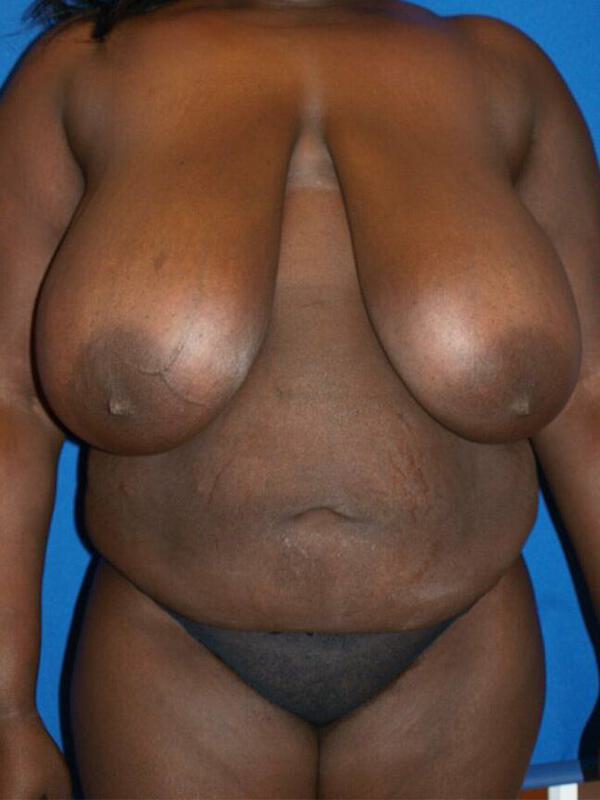
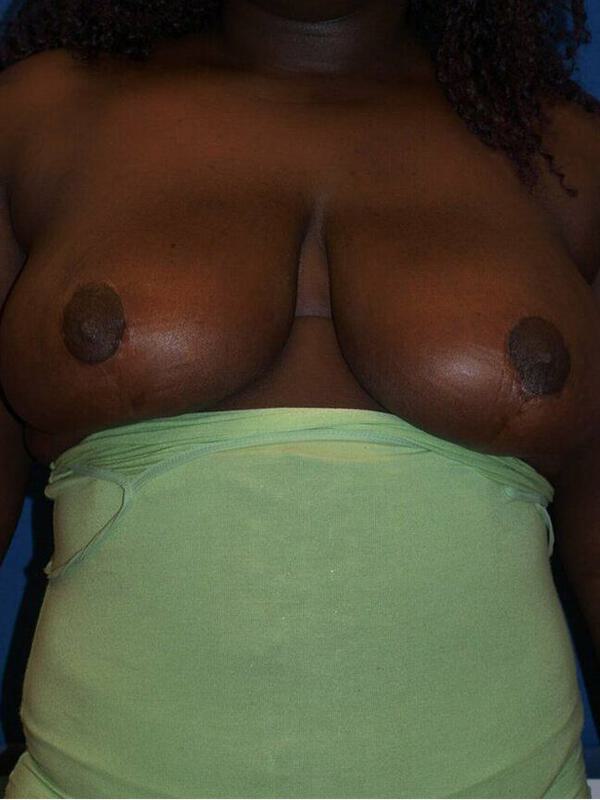
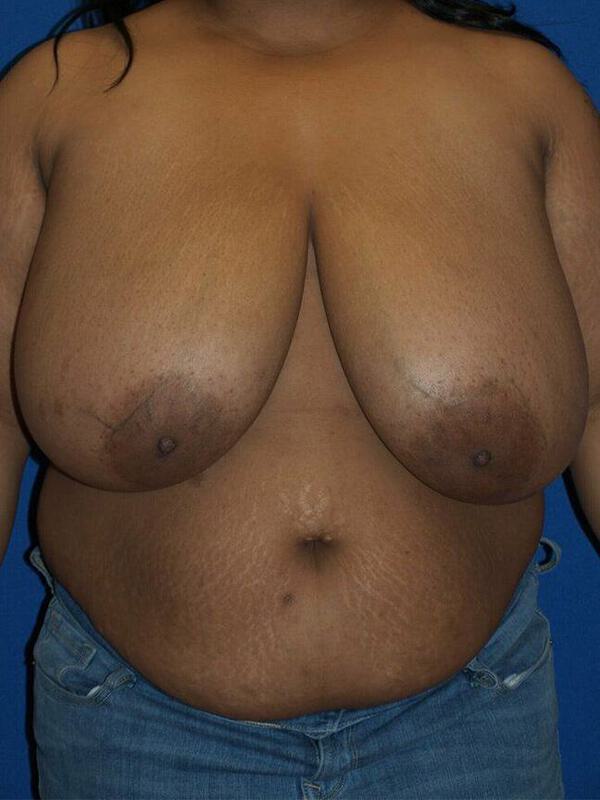
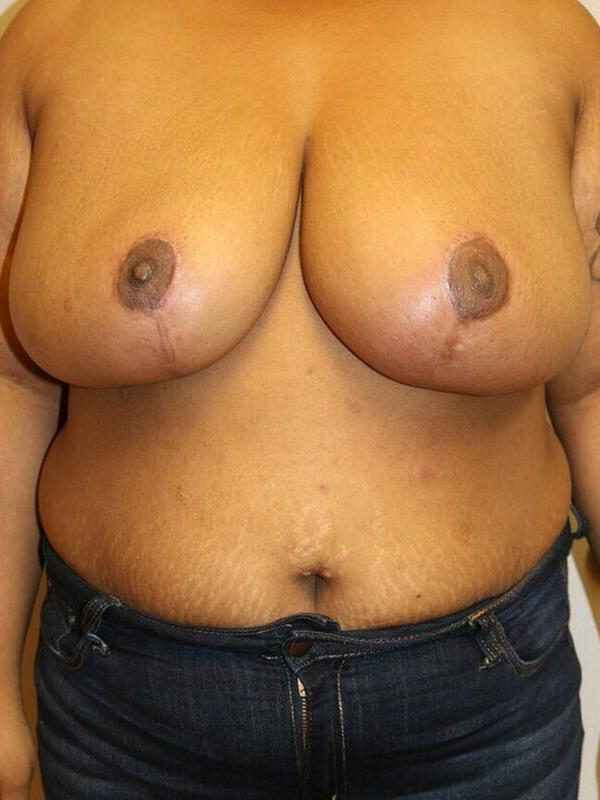
Others have found that their large breast size makes it impossible for them to play sports or perform certain exercises. Our Miami breast reduction can help to reshape, lift, and reduce the weight of the breasts, making it possible to have a more active, confident lifestyle. Most women in this situation who undergo this procedure wish they had done it sooner!
 Swipe To Next
Heavy breasts can affect much more than body proportions. Their weight may place persistent strain on the neck, shoulders, and upper back, interfere with physical activity, and make everyday clothing difficult to fit comfortably. Breast reduction removes excess breast tissue, fat, and skin to create a lighter, more proportionate breast shape.
Depending on your anatomy and symptoms, breast reduction may help address:
The procedure reshapes and lifts the breasts as it reduces their volume. Dr. White considers the amount of tissue to remove, nipple position, breast width, skin quality, and the proportions of your chest and torso when planning surgery. The aim is a balanced result that feels lighter, looks natural, and supports greater comfort in daily life.
achieve a smaller breast size
Many people know how breast implants are placed, but what about breast reduction? Dr. White uses a newer technique in breast reduction that keeps the breast tissue at the top of the breast, repositions it, and removes the sagging tissue at the bottom that is causing the breast to droop. This method results in more fullness in the upper portion of the breast and a longer-lasting lift. The procedure allows women to achieve a smaller breast size without the droopiness that can sometimes occur after breast reduction surgery.
You may be a candidate for breast reduction if the size or weight of your breasts causes physical discomfort, limits your activities, or feels out of proportion with the rest of your body. Some patients pursue surgery primarily for symptom relief, while others want a smaller, lifted breast shape that feels more natural for their frame. Many have both goals.
Good candidates are generally healthy enough for surgery, have realistic expectations, and are prepared to follow the necessary recovery restrictions. Stable weight is also important because substantial weight changes can affect breast size and alter the result.
During your consultation, Dr. White will ask about:
If you smoke or use nicotine, you will need to stop for the period Dr. White recommends. Nicotine restricts blood flow and can interfere with incision healing.
It is also important to understand that an exact postoperative cup size cannot be guaranteed. Bra sizing varies among manufacturers, and the amount of tissue that can be removed safely depends on your anatomy and the blood supply to the nipple and surrounding tissue. Dr. White will instead work with you to establish realistic goals for size, shape, comfort, and proportion.
Patients who want to improve sagging without removing a significant amount of breast volume may be better suited to a breast lift. For patients addressing several areas after pregnancy or weight changes, breast reduction may also be considered as part of a personalized mommy makeover.
move forward with a breast reduction in Miami
The first step is to decide that you are ready to move forward with a breast reduction in Miami. You will call our office and schedule an appointment to come in and discuss your cosmetic goals, symptoms, and any questions that you may have. We will then schedule your procedure. The morning of the procedure you will check-in, and be prepped for surgery. We will place you under anesthesia so the experience is pain-free. You will be closely monitored throughout the entire procedure. After the surgery is completed, you will rest in the recovery suite. You will need to arrange a ride home after your procedure, and we will schedule a follow-up visit to monitor your progress.
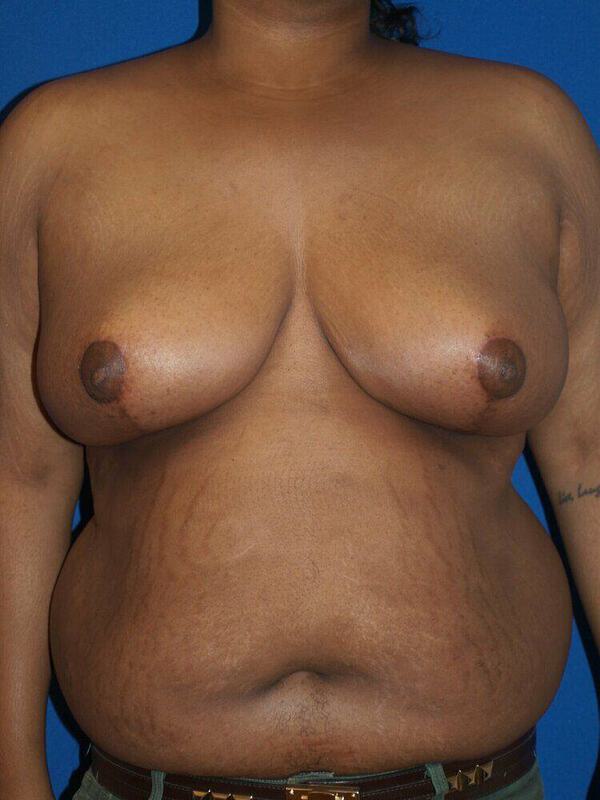
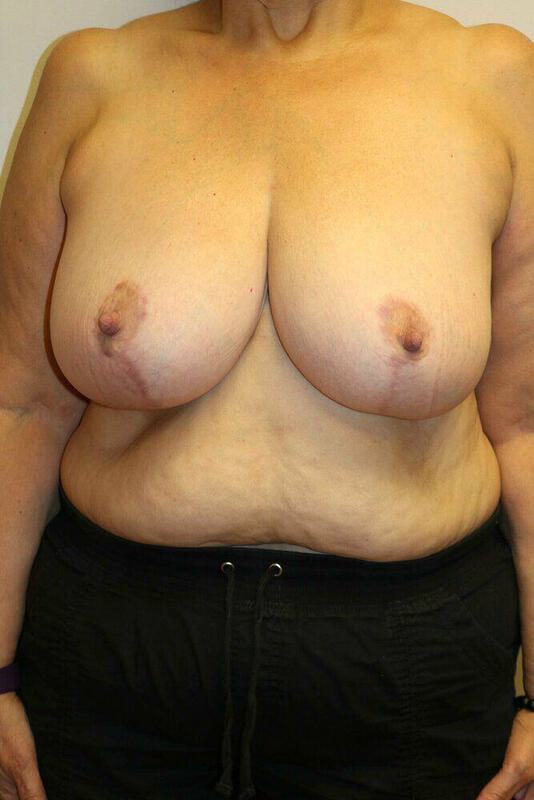
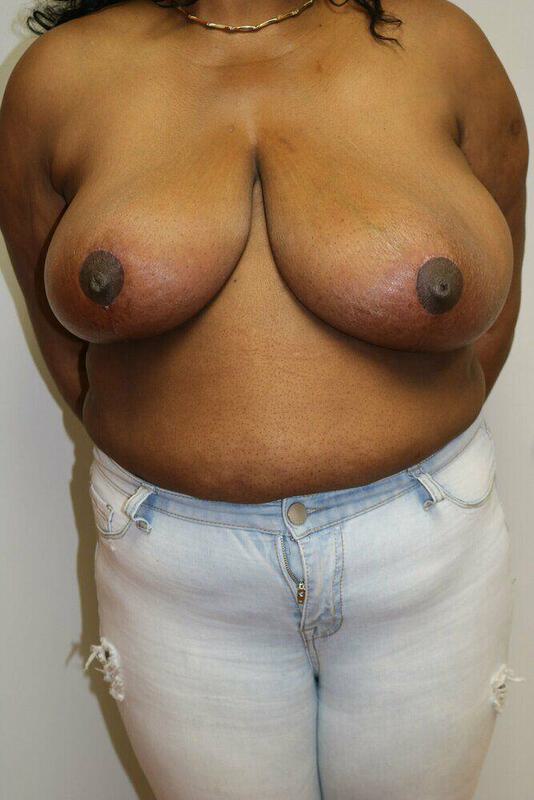
Breast reduction can create a smaller, lighter breast shape with the nipples repositioned to a more youthful level. Because excess skin is removed and the remaining breast tissue is reshaped, the procedure also produces a lifting effect.
Dr. White uses a technique designed to preserve and reposition tissue in the upper portion of the breast while removing the heavier, sagging tissue below. This allows him to improve breast shape as well as size, with the goal of creating natural fullness and proportions that complement the patient’s frame.
Some patients notice an immediate difference in breast weight following surgery. Changes in comfort, clothing fit, and ease of movement may become more apparent as soreness and swelling decrease. The breasts will initially sit higher and feel firmer than the expected final result. Over the following weeks and months, the tissues gradually soften and settle into a more natural position.
Breast reduction may improve symmetry, but perfectly identical breasts are not a realistic surgical outcome. Natural differences in the ribs, chest wall, breast footprint, and starting amount of tissue can remain after surgery. Dr. White accounts for these differences during planning and works toward the closest balance safely achievable.
Results are designed to be long-lasting. Aging, gravity, pregnancy, hormonal changes, and significant weight fluctuation can still affect breast size and position over time. Maintaining a relatively stable weight and wearing appropriate support during exercise can help protect the result.
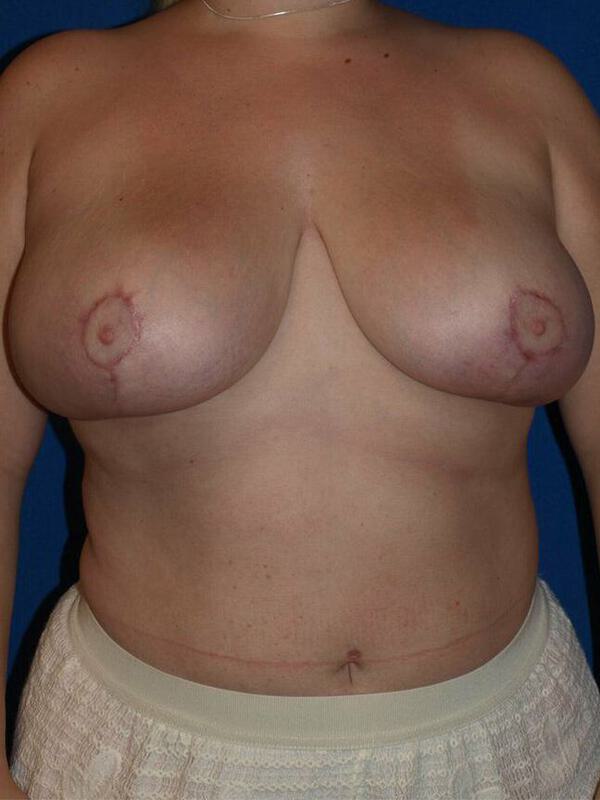
All traditional breast-reduction techniques create scars. Their pattern depends on the amount of tissue and skin removed, as well as the degree of lifting required. Scars commonly appear red or raised during early healing and generally soften and fade as they mature. Dr. White will explain the anticipated incision pattern before surgery so that you can weigh the tradeoff between scars and the changes in breast size, shape, and comfort.
Recovery is different for every patient, but most people should plan for a period of reduced activity followed by a gradual return to their routines. The amount of tissue removed, incision pattern, healing response, and physical demands of your job will influence your individual timeline.
Swelling, bruising, tightness, and soreness are expected during early recovery. Dressings and a surgical support bra may be used to protect the incisions, minimize movement, and support the newly shaped breasts.
Rest is important, but Dr. White may encourage short, gentle walks to support circulation. You will need help with driving, household tasks, childcare, and anything that requires lifting or reaching. Take medications only as directed and follow the practice’s instructions for bathing, sleeping, and incision care.
Many patients feel noticeably more comfortable during this stage and may be able to return to desk-based work. A job involving lifting, repetitive arm movement, or significant physical activity may require additional time away or temporary restrictions.
Swelling and tenderness will still be present, even if you feel well enough to resume more of your normal routine. Continue wearing the recommended support garment and avoid lifting, strenuous exercise, and pressure on the healing breasts until Dr. White clears you.
Activity can generally increase gradually as the incisions strengthen. Some patients may begin lower-impact exercise with approval, although chest exercises, heavy lifting, and high-impact movement may remain restricted.
The breasts will continue to soften and settle. Temporary differences in swelling or position can occur during this period and should not be treated as the final result.
Residual swelling gradually resolves, and the shape becomes more refined. Incision lines may remain pink, red, or firm before fading and flattening. Scar maturation can continue for a year or longer.
Dr. White and the ARC team will monitor your progress during follow-up visits. Contact the practice promptly if you develop increasing redness, worsening swelling, drainage, fever, shortness of breath, severe pain, or another unexpected change. Your personalized postoperative instructions should always take precedence over a general recovery timeline.
afford the procedure, and gain the benefits
The cost of a breast reduction in Miami varies, based upon each individual patient’s needs. We like to be accurate whenever we provide patients with estimates, and we urge you to come in for an initial consultation so we can give you an accurate figure. Typically, breast reduction surgery can cost in the range of $5,500 to $8,500. We understand that the cost may stretch your budget, which is why we provide financing options so that you can afford the procedure, and gain the benefits.
Breast reduction requires careful control of size, shape, nipple position, symmetry, and blood supply. The goal is to reduce the physical burden of heavy breasts while creating proportions that feel natural for the patient’s body.
Dr. Jeremy White is board-certified in plastic surgery as well as otolaryngology–head and neck surgery. His plastic and reconstructive surgery training included advanced cosmetic breast surgery, body contouring, and techniques for complex and revision procedures. This broad surgical background supports the detailed planning required for breast reduction.
Dr. White does not choose a breast size or shape for you. He begins by asking what feels uncomfortable, how your breasts affect your lifestyle, and what you hope will change after surgery. He then evaluates your breast width, tissue distribution, skin quality, existing asymmetry, and overall body proportions to develop a plan suited to your anatomy.
His breast-reduction approach is designed to preserve tissue in the upper breast, reposition it, and remove the lower tissue contributing to excess weight and sagging. This technique aims to create a lighter breast with balanced fullness and a lifted, natural shape.
Just as important, ARC’s care continues after the operation. Dr. White and his team provide detailed postoperative guidance and follow the healing process as swelling subsides, scars mature, and the breasts settle. Patients receive attentive care throughout a decision that can be both physically and emotionally significant.
What our clients have to say…
questions or concerns
We understand that you may have many questions or concerns about breast reduction surgery. Our team in Miami is here to provide you with all of the information you may need to make an informed decision.
Dr. White has extensive experience in breast reduction surgery for a wide range of patients with various breast problems that need to be resolved. We are dedicated to providing each person we treat with an exceptional level of care and attention, from start to finish. If you are unhappy with the size and weight of your breasts, please contact Dr. White and our ARC Plastic Surgery staff to schedule your breast reduction consultation.
What our clients have to say…
All traditional breast reduction patterns leave a scar on the breast. Thankfully, these scars tend to fade with time, and the results are well worth it. Women often achieve an improved body image and decreased back and neck pain, and they can lead a more active lifestyle when the breasts are reduced to a lovely, more normal size and shape.
There are two major scar patterns that result from breast reduction: a vertical pattern and a “T” or anchor-shaped scar. A vertical breast reduction allows for breast skin and tissue removal that leaves a lollipop-shaped scar. This type of reduction is excellent for moderately large breasts that are not extremely wide. For wider, larger breasts that need a higher lift, either a "T" shaped or an anchor-shaped (Wise pattern) scar is often necessary to achieve a safe and effective partial breast gland removal while optimizing a natural breast shape. In addition to these breast gland and fat reduction techniques, liposuction can often be helpful to achieve a pleasing contour to the lateral (outer) part of the breast and under the armpits.
If pain due to the size of your breasts is impacting your daily life, or you feel that your breasts are disproportionately large and creating an unbalanced look, you are probably a candidate for breast reduction surgery. If you have any medical conditions, you need to speak with our doctor to ensure that we take the correct precautions prior to, during, and after your surgery.
You may be asked to cease certain medications or supplements, including blood thinners, for at least 7 days before your procedure, which will be coordinated with your physician. Breastfeeding women need to wait at least 3 months after breastfeeding has stopped before scheduling surgery. If you have a specific question about whether you are a good candidate for breast reduction, the best way to get answers is to schedule an appointment for an initial consultation.
Some health insurance plans may cover breast reduction when the procedure is considered medically necessary. Coverage is determined by the individual insurer and policy, and approval is never guaranteed.
An insurance company may ask for documentation showing that breast size is contributing to persistent symptoms such as neck, shoulder, or back discomfort, bra-strap grooves, recurrent skin irritation, or limitations during physical activity. Some plans also require records showing that nonsurgical measures have been attempted, such as supportive garments, medication, physical therapy, weight management, or treatment for skin irritation.
The insurer may request medical records, photographs, a letter from a physician, and an estimate of how much breast tissue will be removed. Requirements differ significantly among plans, so patients interested in coverage should contact their insurance company directly and request its breast-reduction criteria in writing.
Even when surgery is authorized, deductibles, copayments, coinsurance, facility fees, or other out-of-pocket costs may apply. Additional cosmetic procedures performed at the same time may not be covered.
During your consultation, the ARC Plastic Surgery team can explain the clinical information associated with your proposed procedure. Final authorization and payment decisions remain with your insurance provider.
After your surgery, you will need to schedule some time off from work to heal and rest. In the first two weeks, you will have some pain, swelling, and bruising. However, most patients can return to work after 7 to 10 days. You will be restricted from lifting for 2 weeks, as this puts strain on the incisions. Depending on what your job entails, you may need to request time off, or reduced activities during this period. After the initial first few weeks, most people report just mild discomfort or pain with exertion that can be controlled with over-the-counter pain medication. You will check in with your doctor throughout the healing process to ensure it is moving ahead as it should, with no complications.
Just like any surgical procedure, there are risks that you should understand prior to the procedure. All surgical procedures involve the risk of bleeding, infection, or reaction to any of the medications or anesthetics. To assist in minimizing the risks, we ensure that we have reviewed your entire medical history prior to surgery. Our surgical rooms are kept absolutely sterile, and we utilize the most modern equipment to assist in keeping every patient safe and healthy. Dr. White delivers arguably the safest breast reductions Miami has to offer.
Your new life starts here
If you’re considering plastic surgery in Miami, Aventura or Fort Lauderdale, choosing the right plastic surgeon could not be more important. Dr. Jeremy White is the recipient of many honors and awards, including the 2021 Doctor’s Choice Award Miami, the 2016 RealSelf Top 500, and the prestigious Castle Connolly Top Doctors Award Winner since 2017. We invite you to have a consultation about the procedure you need. Schedule your consultation today.